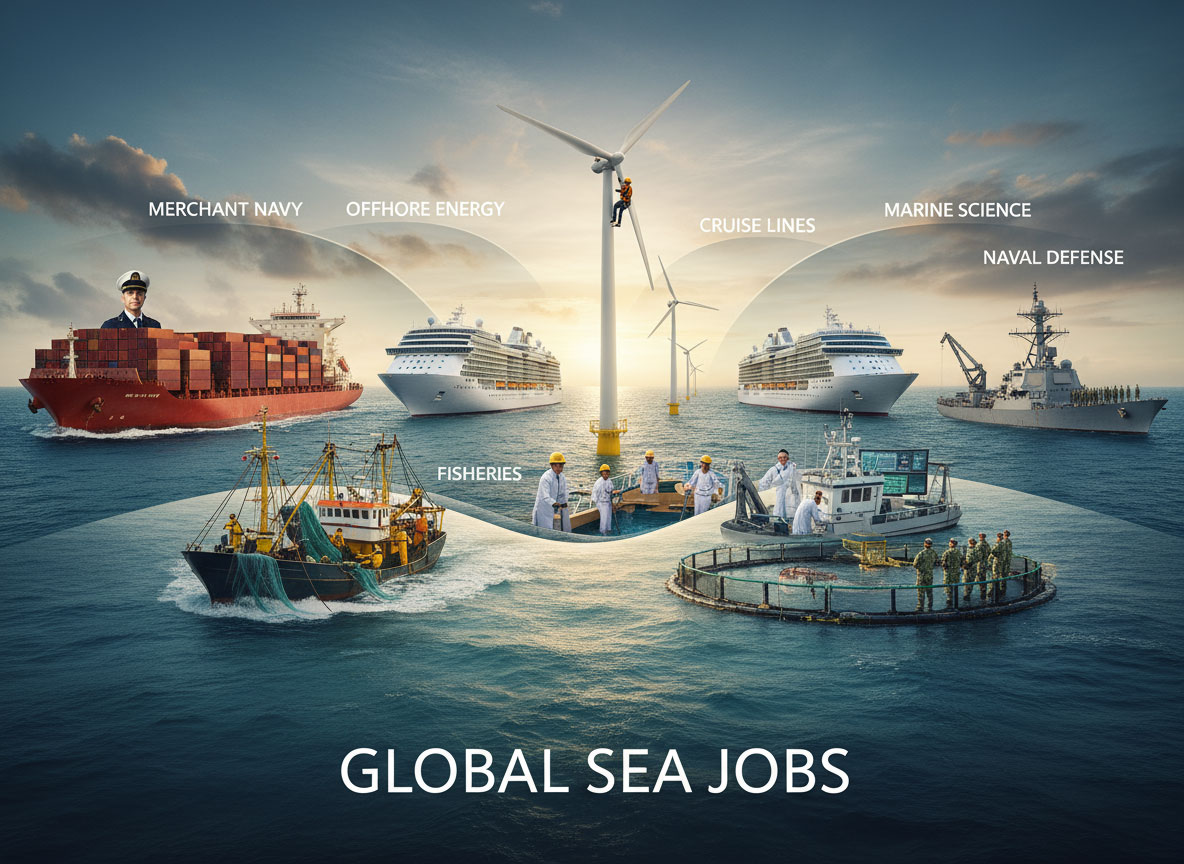
The maritime industry continues to thrive as a vital component of global trade and commerce. As we navigate through October 2025, the demand for skilled seafarers remains strong across various vessel types and departments. This article explores the most sought-after seafarer positions currently dominating the maritime job market.
The Current Maritime Employment Landscape
The maritime sector maintains a robust employment market with thousands of opportunities available worldwide. According to major maritime job portals like FindSeaJobs.com and Sea-Jobs.org, there are consistently over 4,000 active job vacancies for seafarers across all ranks and vessel types. These positions span merchant vessels, offshore units, cruise ships, tankers, bulk carriers, and container ships.
Top Seafarer Positions by Department
Deck Department Positions
The deck department remains one of the most active hiring sectors in the maritime industry. The hierarchy and demand for these positions include:
1. Deck Officers
2. Deck Ratings
Engine Department Positions
The engine department consistently shows strong demand across all engineering ranks:
1. Engineering Officers
2. Engine Ratings
Catering Department Positions
While smaller in number, catering positions remain essential:
- Chief Cook: Responsible for meal preparation and galley operations for the entire crew.
- Cook/Messman: Assistant cooking and food service positions.
- Steward: Handles cleaning, laundry, and general housekeeping duties.
Specialized and High-Demand Positions
Offshore and Specialized Vessels
The offshore sector continues to offer competitive opportunities:
- Dynamic Positioning Operators (DPO): For vessels with DP systems, these specialized officers command premium positions.
- Pumpman: Essential for tanker operations, handling cargo pumping systems.
- Deck Fitter: Specialized welding and fabrication work on deck.
Cruise Ship Positions
The cruise industry maintains steady hiring across multiple departments, from deck and engine positions to hospitality and entertainment roles.
Vessel Type Distribution
Current job listings show strong demand across various vessel types:
- Bulk Carriers: Consistent demand for all ranks, particularly deck officers and ABs.
- Container Ships: High turnover creates regular openings for experienced seafarers.
- Tankers (Crude Oil, Product, Chemical): Specialized positions with additional training requirements and competitive salaries.
- General Cargo Vessels: Entry to mid-level positions frequently available.
- Offshore Support Vessels (OSV, AHTS, PSV): Growing sector with opportunities for specialized crew.
- LNG/LPG Carriers: Premium positions requiring specialized certifications.
Regional Hiring Trends
Maritime employment in October 2025 shows global distribution with particular activity in:
- Asian Markets: Strong demand from Philippine, Indian, and Indonesian crewing agencies.
- European Operations: Norwegian, Greek, and UK-based companies actively recruiting.
- Middle Eastern Contracts: Offshore and tanker operations in the Gulf region.
- North American Waters: Domestic and international trade routes.
Qualifications and Certifications
The most marketable seafarers possess:
- Valid STCW (Standards of Training, Certification, and Watchkeeping) certificates
- Relevant Certificates of Competency (COC) for their rank
- Specialized endorsements (tanker, passenger ship, etc.)
- Medical fitness certificates
- Adequate sea service experience
- Security awareness and designated security duties training
Career Pathways and Advancement
The maritime industry continues to offer clear progression paths:
- Entry Level: Ordinary Seaman, Wiper, Deck/Engine Cadet positions
- Mid-Level: Able Seaman, Oiler, Third Officer, Fourth Engineer
- Senior Level: Chief Officer, Second Engineer, Bosun
- Command Positions: Master, Chief Engineer
Salary Considerations
Compensation varies significantly based on:
- Rank and experience level
- Vessel type and size
- Flag state and company
- Trade routes (international vs. domestic)
- Contract duration (rotation schedules)
Entry-level ratings typically earn $800-$1,500 monthly, while experienced officers can command $4,000-$12,000+ per month, with senior positions reaching even higher figures.
Finding Maritime Employment
For seafarers seeking positions in October 2025, the most effective resources include:
FindSeaJobs.com: Features over 4,000 active vacancies with comprehensive search filters by position, vessel type, and company. The platform offers one-click application features and direct company contacts.
Sea-Jobs.org: Aggregates maritime vacancies from companies worldwide, displaying positions for all departments and ranks with clear start dates and vessel specifications.
Both platforms allow seafarers to create profiles, upload CVs, and receive notifications for positions matching their qualifications and experience.
Industry Outlook
The maritime sector in late 2025 continues to demonstrate resilience and growth. Despite global economic fluctuations, international trade relies heavily on seaborne transport, ensuring steady demand for qualified seafarers. The industry faces an ongoing challenge in attracting and retaining skilled personnel, which translates to opportunities for both new entrants and experienced mariners.
Key factors driving current demand include:
- Global supply chain requirements
- Fleet expansion and modernization
- Retirement of experienced seafarers
- Increasing specialization in vessel operations
- Growing offshore renewable energy sector
Conclusion
October 2025 presents a favorable job market for seafarers across all ranks and departments. The most popular positions—ranging from Able Seaman and Oiler at the rating level to Second Officer and Second Engineer at the officer level—offer stable employment with clear career progression paths.
Whether you’re an entry-level candidate or an experienced mariner seeking advancement, platforms like FindSeaJobs.com and Sea-Jobs.org provide comprehensive access to the global maritime employment market. With proper qualifications, certifications, and persistence, seafarers can find rewarding positions that match their skills and career aspirations in this essential and enduring industry.